
Ayurvedic Lifestyle
Home / Ayurvedic Lifestyle
Ayurveda is the manual for the human body; it advises how to appropriately deal with this sensitive body. Ayurveda has given legitimate rules to us all to keep up with life in a wonderful manner. Assuming one will keep up with this machine, most likely the expense of the sicknesses will be lesser and we will appreciate more sound times and longer life.
By taking on a specific way of life, life becomes restrained. Quit disregarding more modest issues about your wellbeing. These little things will team up with one another and one day there will be a major illness, sitting tight for you on some entryway old enough!
Way of life Issues
Way of life concludes a ton about our relationship with the remainder of the universe as what we do is a response to our environmental factors. To each activity there is an equivalent and inverse response, the equivalent occurs with the body. Today more than five of the ten greatest killing sicknesses are brought about by way of life inconsistencies. Maybe we can bring down the passing rate without help from anyone else. Among way of life problems following are the most jeopardizing to individuals these days.
- Diabetes
- Heart diseases
- Obesity
- Arthritis
- Hypothyroidism
- PCOS
- Carcinomas of different Body Parts
- Dementia, Depression & Anxiety

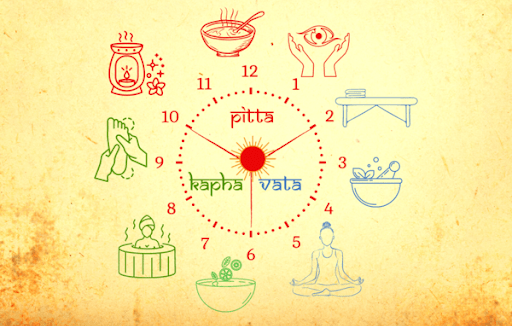
Daily Routine: Dinacharya
Everyday daily schedule in Ayurveda is known as Dinacharya. Racket is for the range of constantly and Charya represents the exercises done by somebody. These exercises are arousing up, resting and sitting yet additionally covers all, how we meet others, what we do in the entire day, every social movement and, surprisingly, the exercises to make bread and butter are remembered for the subject of Day to day daily schedule. Thus, setting a day to day schedule is must for a superior wellbeing, the physiological wellbeing as well as the mental, profound, social and prudent wellbeing. Everybody in our reality is set for a specific example and framework. Vata, Pitta and Kapha are the Doshas, which chooses our exercises and regularize these. These three work on a specific example of time, which makes the circadian framework, the natural clock. Everyday daily schedule of an individual ought to be to such an extent that it will assist with adjusting the Doshas of a person, without upsetting their exercises. Here are basic principles to be continued in everyday practice, one can change all as per conditions, however deal with Doshas-
Wake Up In Time
Rise early, preferably during Brahma Muhurta (around 4:30–6:00 AM), as this is the most peaceful time of the day, perfect for aligning your body and mind with nature’s rhythm.
Drink Warm Water
Start your day by drinking a glass of warm water. It helps flush out toxins, stimulates digestion, and kick-starts metabolism.
Go To The Toilet
After drinking warm water, ensure you empty your bowels and bladder to cleanse the body and eliminate toxins accumulated overnight.
Exercise (When To Go)
Engage in exercise or yoga early in the morning, as it energizes the body, improves circulation, and balances all three doshas. Keep it gentle if you have a Vata constitution or intense if Pitta or Kapha dominate.
Teeth, Tongue, And Mouth Cleaning
Brush your teeth using herbal toothpaste, scrape your tongue to remove Ama (toxins), and rinse your mouth. These practices promote oral health and improve digestion.
Take A Bath (When And Why)
Bathe after exercise and self-massage (Abhyanga) to cleanse the body, refresh the mind, and balance your doshas. Use lukewarm water and avoid very hot water to prevent drying the skin.
After Taking Bath
Dress in clean, comfortable clothes and spend a few moments in gratitude or prayer to set a positive tone for the day.
Don’t Cheat Or Make False Statements
Practice honesty and integrity in daily interactions. Truthfulness and ethical behavior are essential for mental peace and spiritual growth.
Eat In Time
Have meals at consistent times each day. Lunch should be your largest meal, as digestion is strongest at midday, while breakfast and dinner should be lighter.
Don’t Sleep During The Day
Avoid daytime sleep, as it can disturb digestion, reduce metabolism, and increase Kapha dosha, leading to lethargy. Exceptions include the elderly, pregnant women, or those recovering from illness.
Sex Is A Natural Urge
Ayurveda recognizes sex as a natural and healthy urge, provided it is practiced in moderation. The timing, frequency, and context should align with your energy levels and dosha balance, promoting physical and emotional well-being.
Seasonal Routine: Ritucharya
Ritucharya or occasional regimens are viewed as one of the establishments for keeping up with Great wellbeing. It has for quite some time been perceived that our singular constitutions or body-types are impacted by changes in nature all through the yearly cycle. The greater part of us have encountered how a chilly, cloudy day influences us distinctively to a warm radiant day or how disrupting a few days of cold breezy breezes can be to our sensory systems. Ayurveda uses the basic yet rich rule that ‘like increments like’ to comprehend what the seasons will mean for the fiery powers, known as doshas in Ayurveda, of our body-minds.
For instance, in summer the more sultry, more muggy climate and more serious daylight increment the Pitta dosha, which is blistering, clammy, and extreme in its tendency. As needs be, somebody with a ton of Pitta dosha in their constitution is bound to encounter challenges with overheating and Crabbiness in the mid year months. In the event that Pitta dosha is, further exasperated by mental or actual burdens then they might encounter fever, red skin rashes, stomach sharpness, or Explosions of outrage.

Applying this standard further we can see that people with a ton of Vata dosha, which is variable, light, cold and dry, in their constitution are bound to run into medical conditions in the fall months and at the difference in the seasons.
Somebody with a ton of Kapha dosha in their constitution, which is chilly, damp, weighty, and stable, should be most cautious in the pre-spring and springtime in the event that they are to stay away from colds, roughage fever, and liquid Maintenance.
Along these lines, the season to be most watchful about is the one that relates to your singular constitution. In everyday terms – summer for Pitta overwhelmed body-types, fall and late-fall for Vata ruled body-types and pre-spring and spring for Kapha Body-types.
Ayurveda puts extraordinary significance on preventive medication, the old texts stress that we ought to never hold on until a sickness has appeared to treat it. Doshic awkward nature should be tended to when they happen. Along these lines, occasional schedules work to conciliate irritated doshas in our constitutions before an illness can show. To adjust your body’s energies all through the times of the year, it is helpful to keep the rules framed underneath, however it is critical that isn’t utilized in an unbending manner which could be counter to the soul of Ayurveda? Ayurveda is intrinsically a natural science, so these rules are best used to help a more instinctive way to deal with food, beverages, and exercises.
Everyday daily practice in Ayurveda is known as Dinacharya. Noise is for the range of constantly and Charya represents the exercises done by somebody. These exercises are arousing up, resting and sitting yet additionally covers all, how we meet others, what we do in the entire day, every single social movement and, surprisingly, the exercises to make bread and butter are remembered for the subject of Day to day daily practice. In this way, setting a day to day schedule is must for a superior wellbeing, the physiological wellbeing as well as the mental, profound, social and prudent wellbeing. Everybody in our reality is set for a specific example and framework. Vata, Pitta and Kapha are the Doshas, which chooses our exercises and regularize these. These three work on a specific example of time, which makes the circadian framework, the organic clock. Day to day daily practice of an individual ought to be to such an extent that it will assist with adjusting the Doshas of a person, without upsetting their exercises. Here are overall principles to be continued in everyday practice, one can change all as per conditions, however deal with Doshas-